
Resolving Piriformis Syndrome With Targeted Sciatica Treatment
Experiencing sharp, shooting pain down the back of your leg can make sitting at a desk or driving through the Danforth incredibly uncomfortable. Many patients assume this pain is a spinal issue, fearing they have a severely herniated lumbar disc. Don Valley Health and Wellness provides precise diagnostic evaluations to determine the exact origin of nerve compression. Often, this radiating pain is actually caused by the piriformis muscle trapping the sciatic nerve deep within the gluteal region.
Treating nerve compression requires identifying whether the restriction is happening at the spinal root or further down the kinetic chain. Misdiagnosing piriformis syndrome as a spinal disc issue leads to ineffective treatments that fail to resolve the muscular tension. A targeted sciatica treatment plan focuses on releasing the specific soft tissues responsible for the neurological irritation.
In This Article:
- Understanding The Anatomy Of Nerve Compression
- Why Generic Lower Back Stretches Fail
- How Can You Tell The Difference Between Sciatica And Piriformis Syndrome?
- Clinical Strategies For Myofascial Release
- Regaining Pain-Free Movement
Understanding The Anatomy Of Nerve Compression
The sciatic nerve is the thickest nerve in the human body, traveling from the lower spine, through the pelvis, and down the back of each leg. In most people, this nerve passes directly underneath the piriformis muscle, which is responsible for externally rotating the hip. When the piriformis becomes chronically tight or spasms due to overuse, it physically clamps down on the sciatic nerve. This localized muscular compression mimics the exact radiating symptoms of a lumbar disc herniation.
→ From a professional standpoint: Prolonged sitting on hard surfaces physically compresses the piriformis muscle, reducing blood flow and triggering the exact spasms that trap the nerve.
Why Generic Lower Back Stretches Fail
Patients experiencing nerve pain frequently search for lower back stretches, attempting to twist their lumbar spine into submission. If the nerve is trapped by the piriformis muscle in the pelvis, aggressively stretching the lower back does absolutely nothing to release the muscular knot. In fact, aggressive lumbar twisting can actually aggravate the spinal joints unnecessarily. Effective relief requires targeted hip mobility exercises that specifically lengthen the external rotators of the pelvis without straining the lumbar vertebrae.
This is a pattern the team at Don Valley Health and Wellness hears regularly.
►Client Experience: Syed Ali shared "I first visited Dr. Angelo Garvis eight years ago due to severe lower back pain from a pinched nerve. At that time, I could not walk without support. Thanks to his treatment and dedicated care, I regained my mobility."
Thorough assessment and accurate diagnosis are essential for restoring movement when dealing with severe nerve compression, just as Syed experienced.
How Can You Tell The Difference Between Sciatica And Piriformis Syndrome?
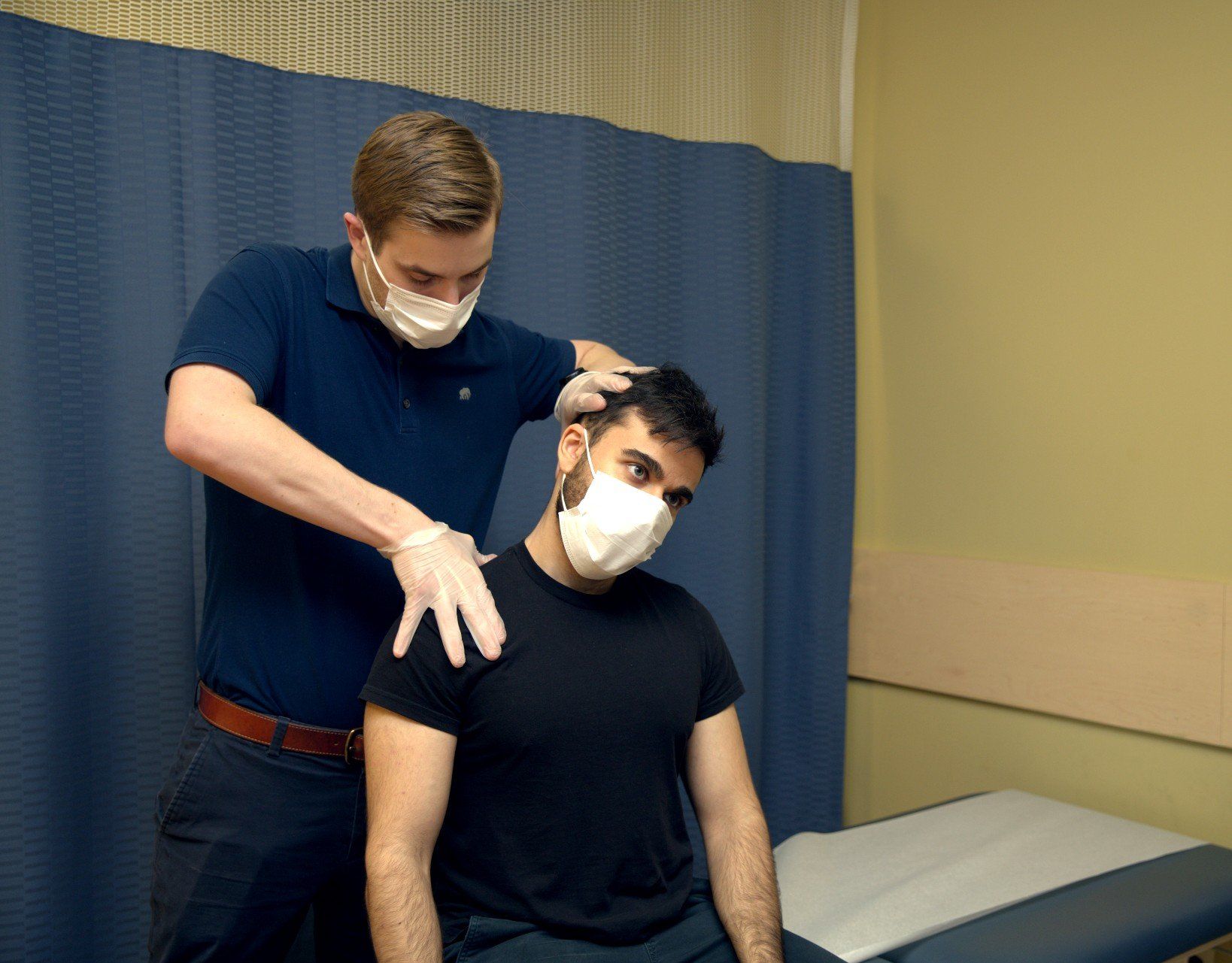
True sciatica originates from a problem in the lumbar spine, such as a bulging disc compressing a spinal nerve root, which often causes pain that worsens when bending forward or coughing. Piriformis syndrome, however, originates in the buttocks where the muscle spasms and traps the nerve locally. A clinician differentiates the two by performing specific orthopedic tests; for example, reproducing the pain by deeply palpating the gluteal region or by resisting external hip rotation typically points to piriformis syndrome, whereas pain triggered by specific spinal movements suggests true lumbar sciatica.
Clinical Strategies For Myofascial Release
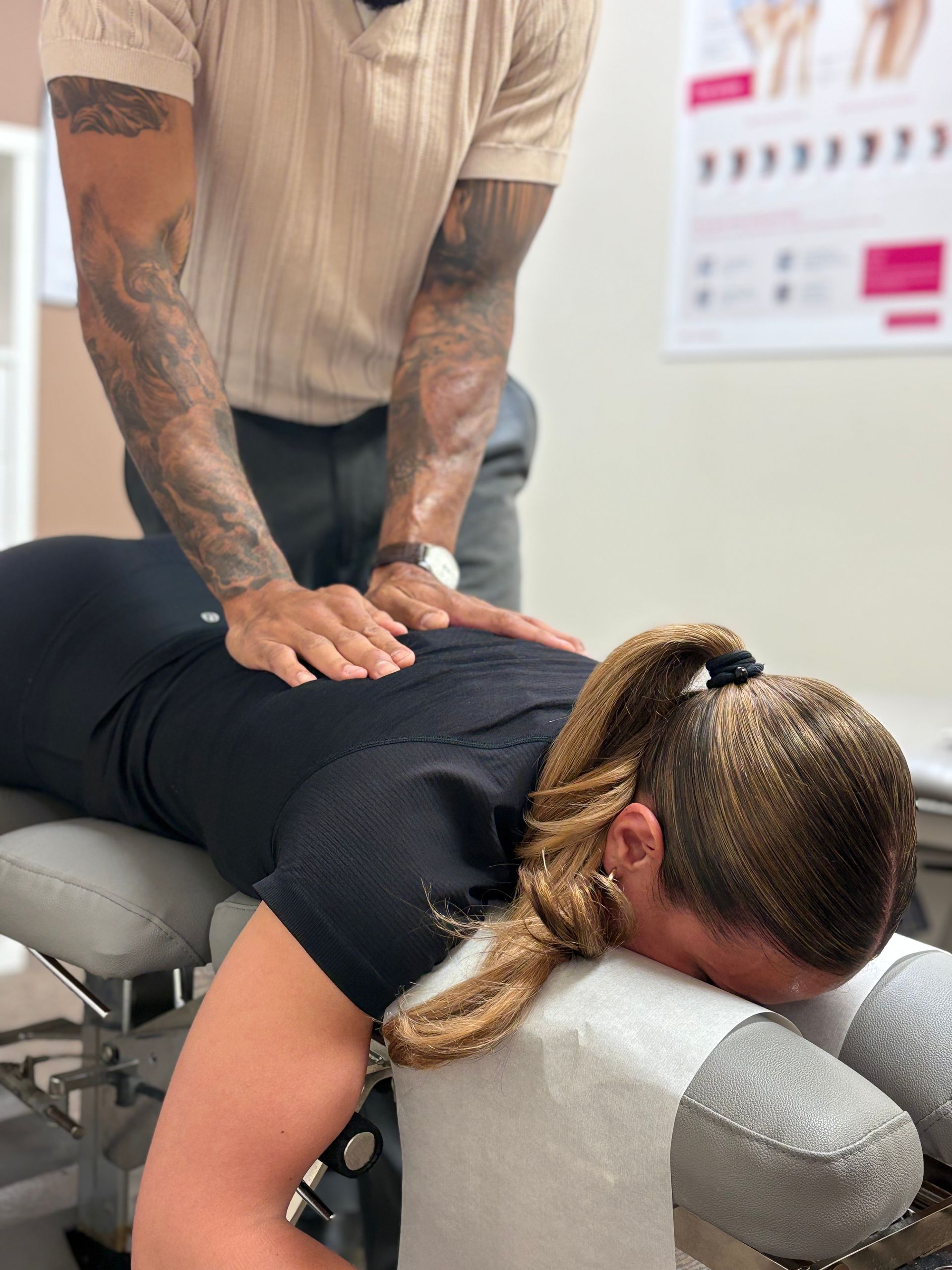
Releasing a spasming piriformis muscle requires deep, sustained manual therapy to break the tension cycle. Our practitioners utilize specific soft tissue manipulation techniques to increase blood flow to the ischemic muscle belly, allowing the fibers to relax and release their grip on the nerve. We often combine this manual release with acupuncture to help downregulate the localized nervous system response. Once the acute spasm is resolved, we introduce targeted strengthening exercises for the surrounding gluteal muscles to prevent the piriformis from overworking in the future.
Regaining Pain-Free Movement
Living with constant nerve pain restricts your ability to enjoy daily activities and stay active. By accurately identifying the source of the compression, clinical care provides a clear path to lasting relief. Reach out to our clinic today to schedule a comprehensive assessment and begin your recovery plan.
Share This Blog