
5 Ways Acupuncture in Toronto Alleviates Migraines and Tension Headaches
Chronic headaches dominate your entire day, making it nearly impossible to focus on work or enjoy time with family. Many residents rely heavily on over the counter pain medication to survive the week, searching for a fast fix while walking near Greektown. Don Valley Health and Wellness offers a clinically integrated approach to addressing the physiological triggers of severe head pain. Acupuncture provides a sophisticated, evidence based method for regulating the nervous system and reducing headache frequency.
The insertion of fine needles does much more than just balance abstract energy pathways. Clinical acupuncture creates measurable physiological changes in blood flow, muscle tension, and pain receptor sensitivity. Understanding the science behind this ancient practice helps patients appreciate its profound role in chronic pain management.
What You Will Learn:
- Tip 1: Stimulating Endorphin Release Naturally
- Tip 2: Reducing Suboccipital Muscle Tension
- Tip 3: Modulating Systemic Inflammatory Responses
- Tip 4: Improving Cranial Blood Circulation
- Tip 5: Downregulating the Sympathetic Nervous System
- Frequently Asked Questions
- Securing Lasting Headache Relief
Tip 1: Stimulating Endorphin Release Naturally
Frequent medication use for migraines often leads to rebound headaches as the body builds a tolerance to the drugs. Needle therapy offers a biological alternative for pain suppression.
- The micro trauma of needle insertion signals the brain to release natural endorphins and enkephalins.
- These neurochemicals bind to the body's opiate receptors, providing profound, systemic pain relief.
- This natural analgesic effect helps patients reduce their reliance on daily pharmaceutical interventions.
Tip 2: Reducing Suboccipital Muscle Tension
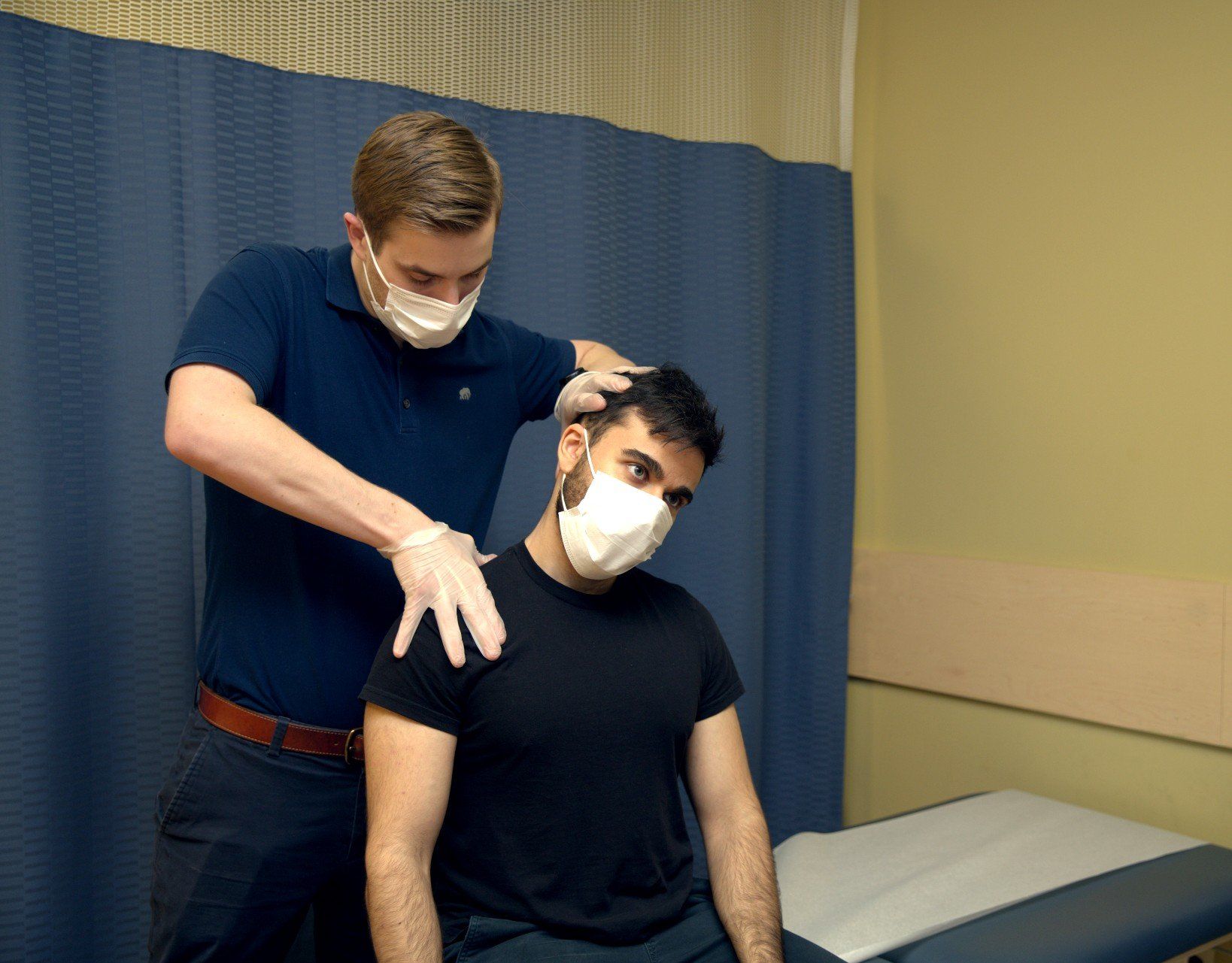
Tension headaches usually originate from chronic tightness in the small muscles at the base of the skull and the upper neck.
- Practitioners target specific muscular trigger points to induce a localized twitch response.
- This twitch physically resets the muscle fibers, forcing them to release their chronic contraction.
- Releasing these neck muscles removes the physical pulling sensation that wraps around the head.
Releasing this deep physical tension provides patients with a renewed sense of comfort.
►Client Experience: Hanna shared "Dr. Steffenati was very thorough, kind and knowledgeable! Looking forward to booking my next appointment. I got immediate relief from my first consultation."
Experiencing that immediate relief proves how effective targeted therapies are for chronic pain, just as Hanna experienced.
Tip 3: Modulating Systemic Inflammatory Responses
Migraines are often driven by localized neurogenic inflammation surrounding the blood vessels in the brain.
- Acupuncture has been clinically shown to reduce systemic markers of inflammation throughout the body.
- Lowering this inflammatory baseline reduces the severity of a migraine attack when it begins.
- We frequently combine this with naturopathy consultations to identify specific dietary triggers that also cause inflammation.
Tip 4: Improving Cranial Blood Circulation
The vascular constriction and subsequent rapid dilation of blood vessels in the head is a primary mechanism of migraine pain.
- Needle placement stimulates local vasodilation, improving the steady flow of oxygenated blood.
- Regulating this blood flow prevents the sudden vascular spasms that trigger acute migraine throbbing.
- Consistent treatments help stabilize the vascular reactivity over time.
Tip 5: Downregulating the Sympathetic Nervous System
Chronic stress keeps the body locked in a fight or flight state, which drastically lowers the threshold for headache triggers.
- Acupuncture physically shifts the body into a parasympathetic, rest and digest state.
- This neurological shift lowers circulating cortisol levels and decreases overall physical anxiety.
- A calmer nervous system is significantly less reactive to the environmental triggers that usually spark a migraine.
Frequently Asked Questions
Does acupuncture provide immediate chronic pain relief?
While some patients experience a noticeable decrease in tension during their very first session, chronic pain relief is generally cumulative. The nervous system requires repeated stimulation to establish a new, lower baseline for pain perception. Significant, lasting relief from chronic conditions typically emerges after a consistent series of treatments over several weeks.
How many needle sessions are required for anxiety?
Anxiety treatment protocols vary based on the chronicity of the symptoms, but a standard clinical recommendation involves six to eight weekly sessions to initiate a physiological change. The goal is to consistently downregulate the sympathetic nervous system, training the body to remain in a calmer state. Maintenance sessions are then scheduled monthly to support ongoing emotional regulation.
Is it normal to feel fatigued after acupuncture?
Feeling deeply relaxed or slightly fatigued after a session is a very common and positive response. This fatigue indicates that your body has successfully transitioned out of a chronic state of high stress and into a restorative, healing phase. We recommend patients drink plenty of water and rest quietly for a few hours following their appointment to maximize the clinical benefits.
Securing Lasting Headache Relief
You do not have to accept severe head pain as an unavoidable part of your routine. Engaging in structured, clinical needle therapy provides your nervous system with the tools it needs to regulate pain naturally. Contact our clinic today to schedule a thorough assessment and build your personalized treatment strategy.
Share This Blog