
Treating Acute Muscle Tears With Clinical Sports Physiotherapy
Athletes often ignore early warning signs of muscle fatigue, pushing their bodies until a sudden, sharp pain forces them to stop. Residents training near Riverdale Park frequently assume that a few days of rest will resolve a severe muscle strain. Don Valley Health and Wellness addresses the structural damage caused by acute tears, ensuring athletes do not return to their sports with compromised tissues.
Healing an acute tear requires a structured, clinical approach to rebuilding muscle fibers. Without professional intervention, the torn muscle heals irregularly, forming dense scar tissue that lacks natural elasticity. Clinical sports physiotherapy programs guide the body through a safe recovery process, rebuilding resilience and preventing the injury from recurring during peak performance.
What You Will Learn:
- The Physiology of Acute Muscle Tearing
- Why DIY Stretching Routines Create More Damage
- Restoring Tensile Strength Through Clinical Loading
- How Do Physiotherapists Treat Runner's Knee?
- Resuming Your Athletic Lifestyle Safely
The Physiology of Acute Muscle Tearing
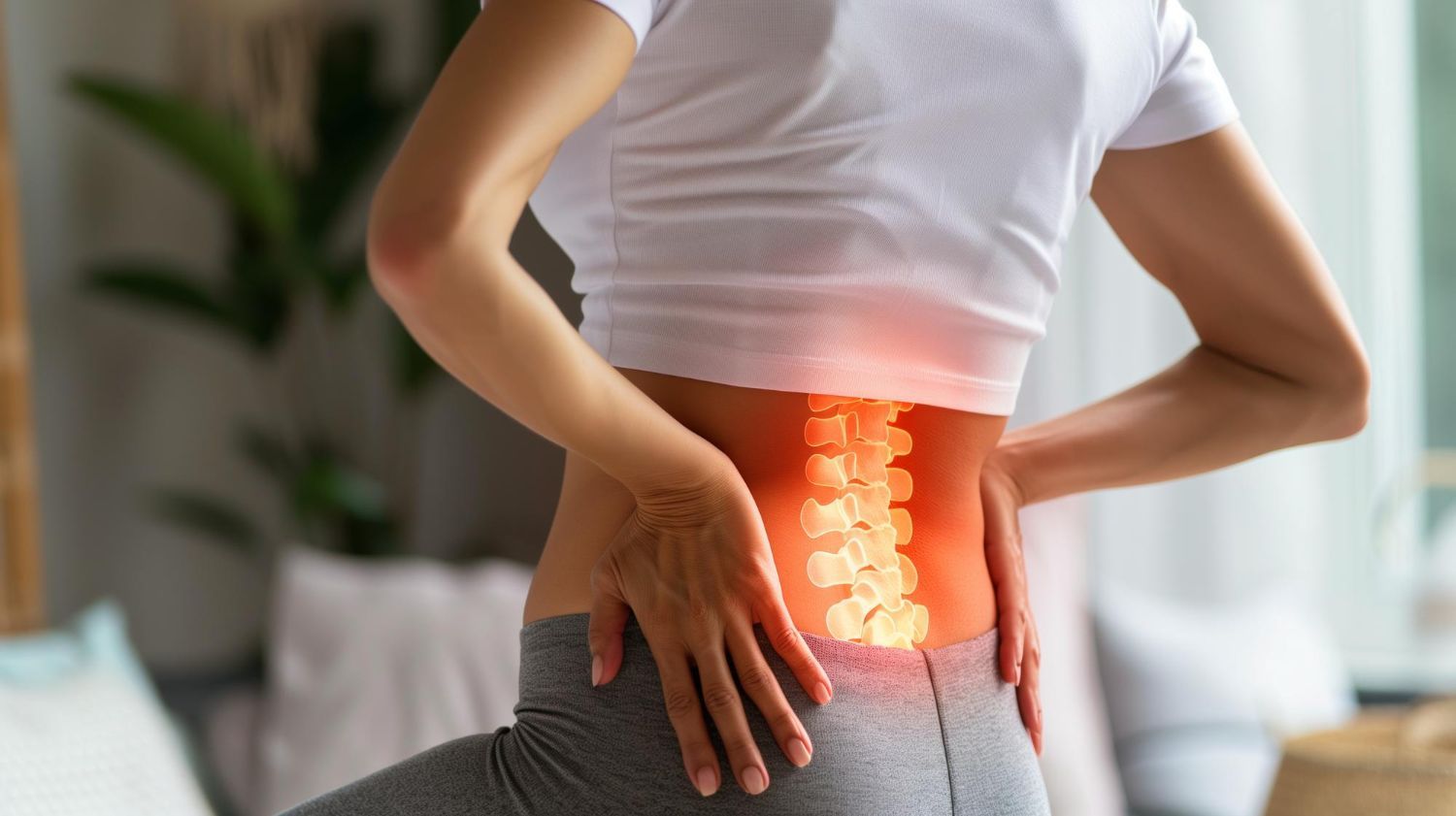
An acute tear happens when a muscle is stretched aggressively while it is actively contracting, which forces the fibers to snap under the extreme load. When this occurs, the body immediately floods the area with inflammatory cells to clear away the damaged tissue and begin the repair process. The resulting swelling and localized heat are necessary biological responses, but they also severely limit your immediate range of motion.
→ From a professional standpoint: If inflammation is suppressed too aggressively with ice and medication during the first few days, the body's natural signaling for collagen production is actually delayed.
Why DIY Stretching Routines Create More Damage
Many injured athletes search online for stretching routines, hoping to lengthen the tight, painful muscle back to its normal state. Pulling forcefully on a freshly torn muscle fiber physically rips the fragile new collagen bonds that your body is trying to form. Stretching an acute tear also agitates the surrounding nerve receptors, causing the muscle to spasm violently in a protective guarding response. Clinical rehabilitation requires stabilizing the injury first before any lengthening exercises are introduced.
Restoring Tensile Strength Through Clinical Loading
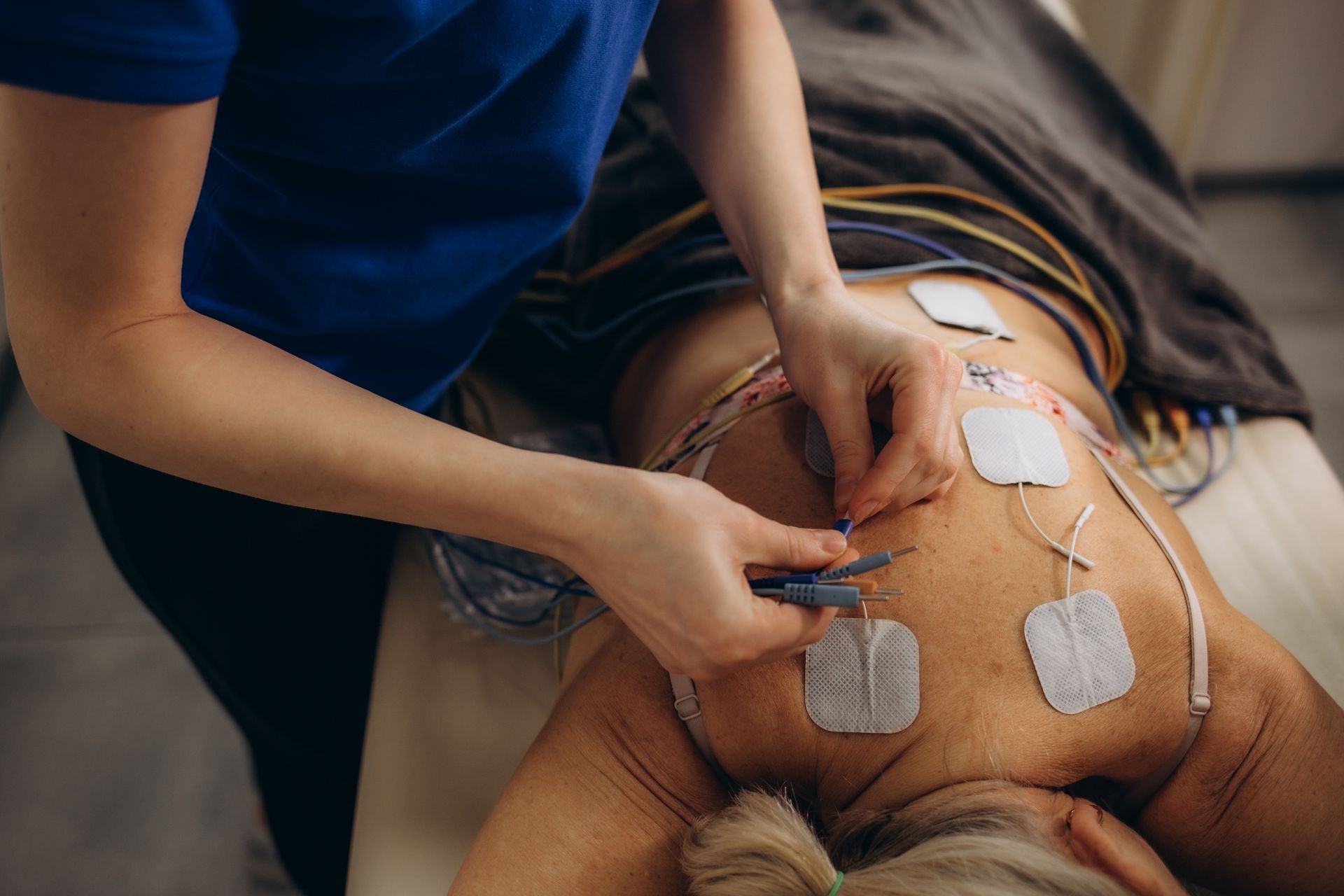
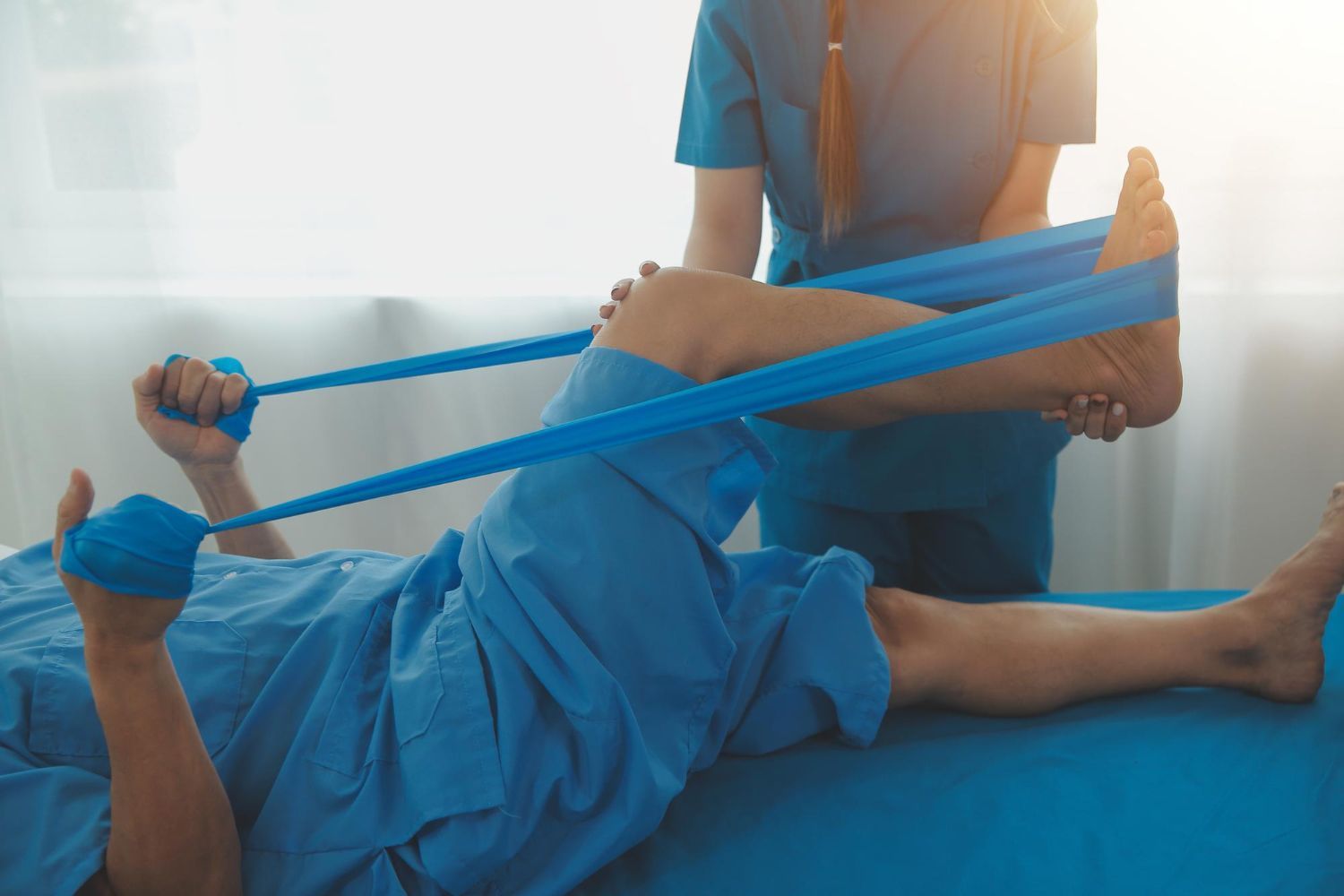
Healing a torn muscle involves more than just waiting for the pain to subside; you must rebuild its ability to handle force. A physiotherapist introduces controlled, isometric contractions to the injured area, which apply safe tension without forcing the muscle to change length. As the tissue heals, we slowly progress to eccentric loading, which rebuilds the specific structural strength required to handle explosive athletic movements.
This is something clients notice firsthand.
►Client Experience: Robert shared "Jordan is a fantastic physiotherapist that is friendly and knowledgeable. I trust his insight as in my two visits he has managed to diagnose and prescribe exercises for my ailments, which will keep me coming back."
Correctly identifying the injury and prescribing the right progression of exercises ensures a safe return to activity, just as Robert experienced.
How Do Physiotherapists Treat Runner's Knee?
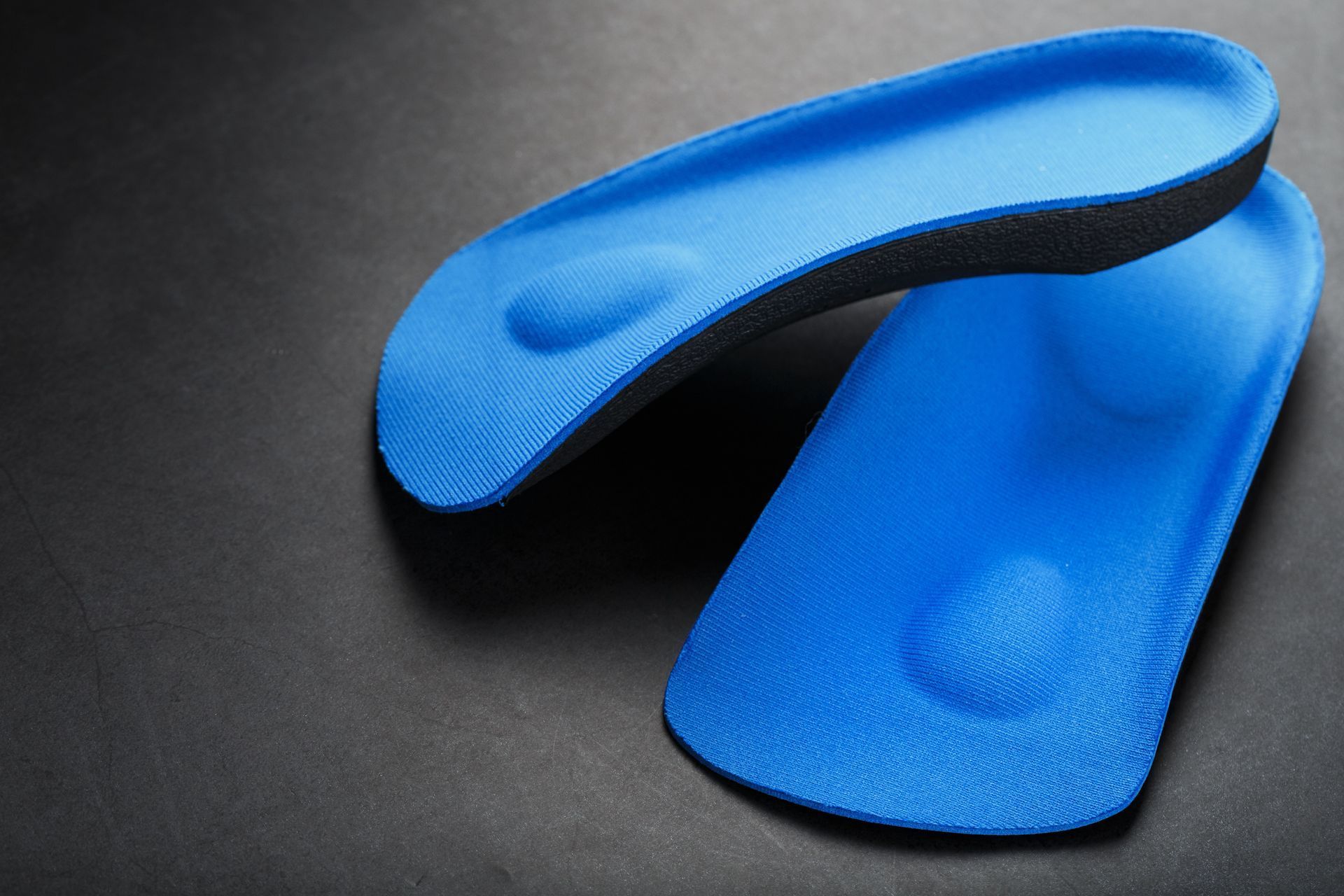
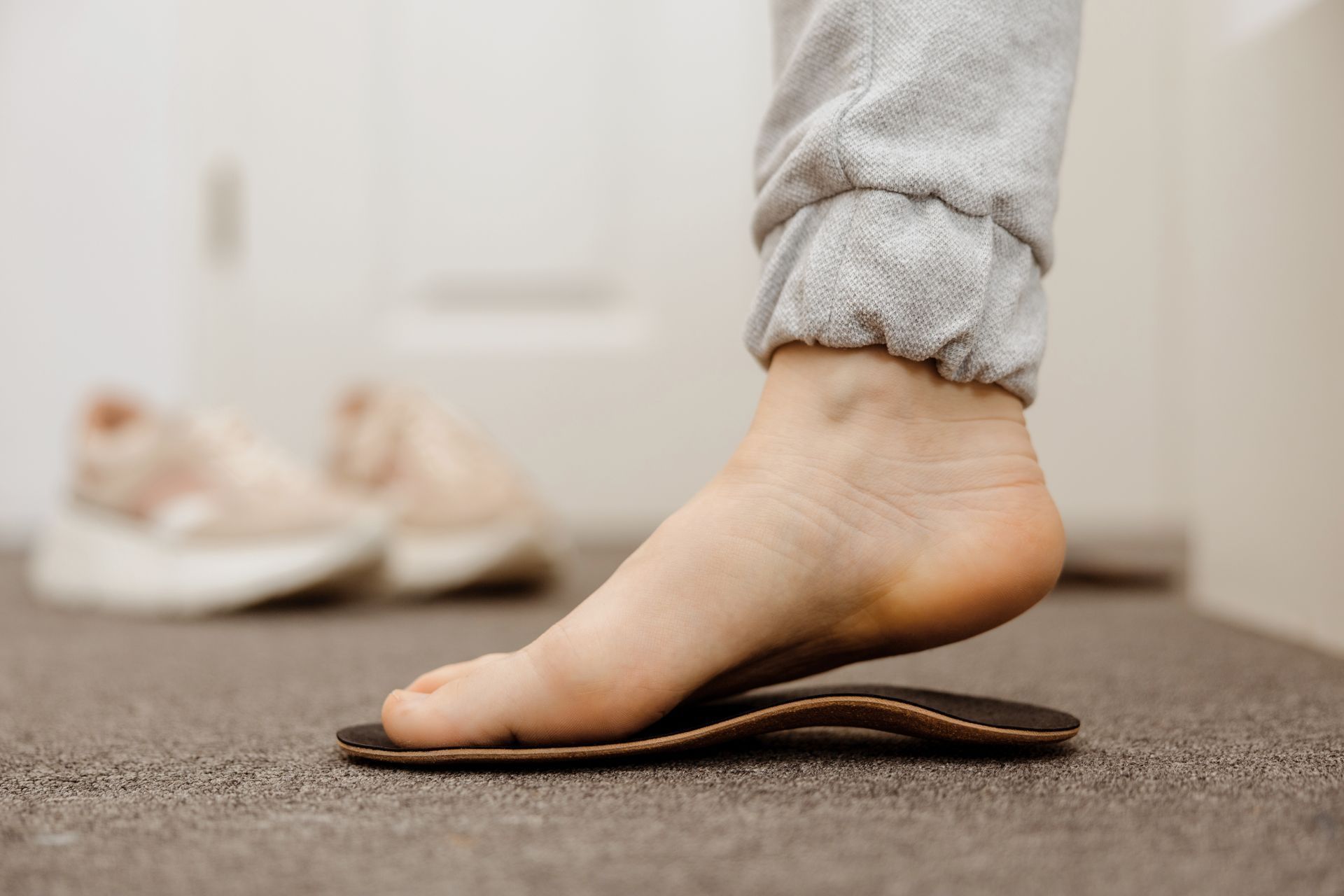
Runner’s knee, or patellofemoral pain syndrome, is a common overuse injury resulting from poor biomechanical tracking of the kneecap. Physiotherapists treat this by analyzing your specific gait and identifying muscular imbalances, typically a weakness in the gluteal muscles or tightness in the iliotibial band. Treatment involves targeted strengthening of the hip abductors, manual therapy to release lateral leg tension, and sometimes incorporating custom made orthotics to correct foot overpronation that alters knee mechanics.
Resuming Your Athletic Lifestyle Safely
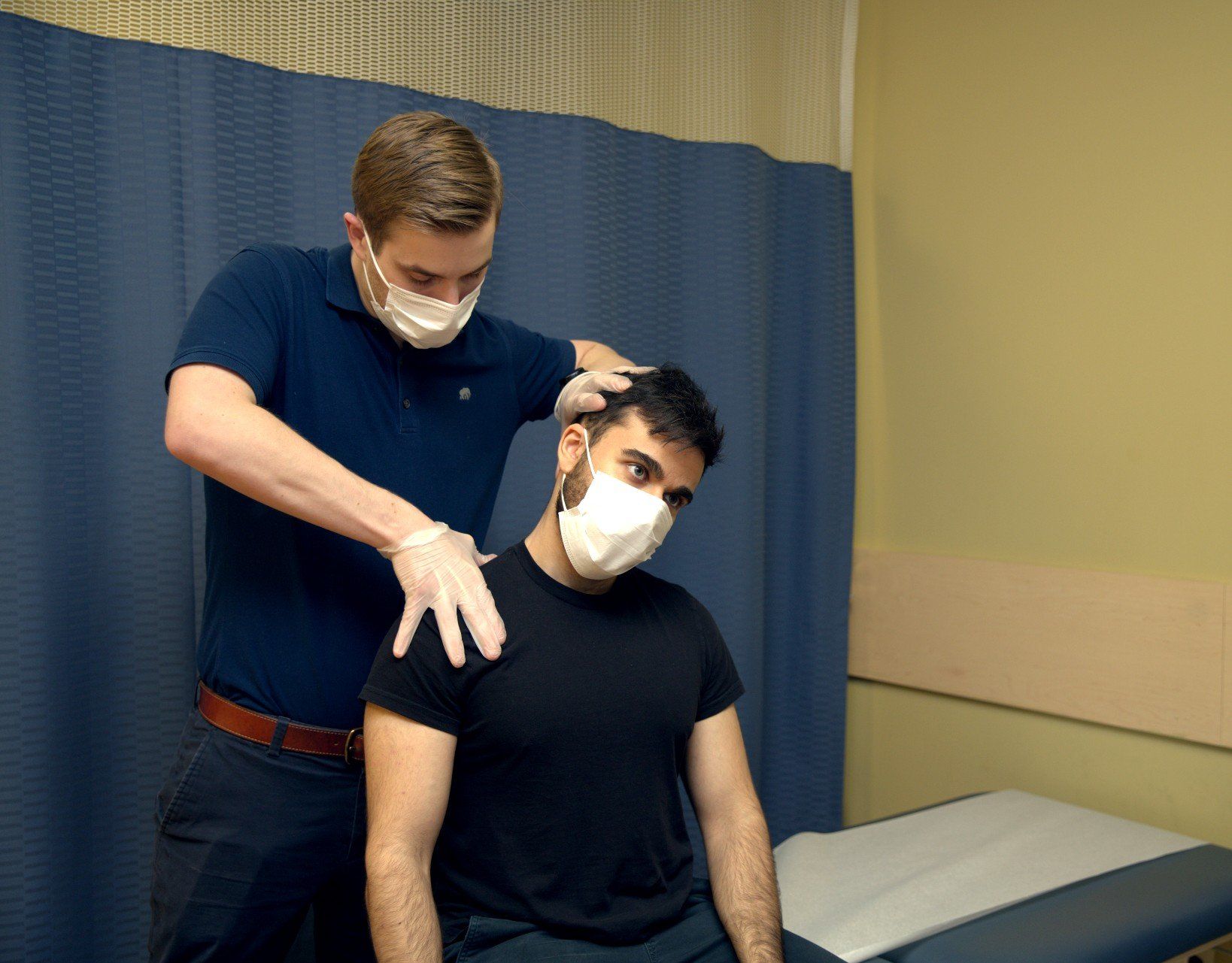
You do not have to let an acute tear end your competitive season entirely. A structured rehabilitation plan rebuilds your strength and ensures your body moves efficiently without pain. Contact our clinic today to schedule a thorough physical assessment and start your guided recovery.
Share This Blog