
A Strict Diabetic Foot Care Maintenance Guide For Chiropody Patients
Living with diabetes requires constant vigilance, especially as peripheral neuropathy diminishes the protective sensation in the lower extremities. Many patients only seek professional help when a small blister has already evolved into a serious, threatening ulcer. Don Valley Health and Wellness emphasizes that proactive daily maintenance is the only reliable way to prevent severe complications. Professional chiropody treatments provide the necessary clinical oversight, but your home habits dictate your daily safety.
Numbness makes it nearly impossible to feel the early warning signs of skin breakdown or pressure damage. A minor pebble in a shoe can rapidly cause a severe infection if left unmonitored. Following a strict, clinical maintenance routine protects your tissue integrity between professional visits.
What We Cover:
- Daily Visual and Tactile Inspection Protocols
- Proper Hygiene and Moisture Management
- Common Maintenance Mistakes That Cause Ulcers
- How Should A Diabetic Patient Care For Their Feet Daily?
- Securing Your Long Term Mobility
Daily Visual and Tactile Inspection Protocols
You cannot rely on pain to tell you when something is wrong with your foot. A visual inspection must become a non negotiable part of your daily routine.
- Use a Hand Mirror: If mobility issues prevent you from seeing the bottom of your feet, use a mirror to check the soles daily.
- Check Between Toes: Gently separate each toe to look for hidden cracks, excessive moisture, or signs of fungal infection.
- Feel for Temperature Changes: Use the back of your hand to feel for areas that are unusually hot, which indicates hidden inflammation or early infection.
- Inspect the Heels: Look closely for deep, dry fissures along the heel border that could split open and bleed.
Proper Hygiene and Moisture Management
Maintaining the correct moisture balance on the skin prevents dangerous cracking while avoiding fungal overgrowth.
- Wash with Lukewarm Water: Always test bathwater temperature with your elbow or a thermometer to prevent accidental scalding.
- Dry Thoroughly: Pay special attention to drying completely between the toes, as trapped moisture creates an ideal environment for athlete's foot.
- Apply Clinical Creams: Use a urea based moisturizer on the heels and soles to keep the skin pliable and resilient against pressure.
- Wear Appropriate Socks: Choose seamless, moisture wicking diabetic socks with a non binding top to prevent restricting arterial blood flow.
This level of meticulous care is something clients notice firsthand when working with our foot specialists.
►Client Experience: Michail Gkiatas shared "Amazing people ❤ Amazing results!!!! Already feel much better with 2 visits!!!! Thanks Angelo and his staff!!!! I also had to visit the foot doctor Marc, he is one of a kind too."
Trusting your daily mobility to an expert ensures your feet remain safe and healthy, just as Michail experienced.
Common Maintenance Mistakes That Cause Ulcers
Even well intentioned patients occasionally engage in habits that put their feet at extreme risk. Knowing what to avoid is critical for your safety.
- Walking Barefoot Indoors: Never walk without protective footwear, as a dropped thumbtack or unseen splinter can easily pierce numb skin.
- Using Direct Heat Sources: Avoid resting cold feet directly against heating pads or space heaters, which can cause severe, painless burns.
- Wearing Worn Out Shoes: Continuing to wear shoes with collapsed insoles creates uneven pressure points that rapidly form deep ulcers.
► The single most important maintenance fact: Using over the counter medicated corn pads contains harsh acids that will chemically burn healthy diabetic skin and cause massive tissue necrosis.
How Should A Diabetic Patient Care For Their Feet Daily?
A diabetic patient must treat their feet with the utmost caution, treating them almost like fragile glass. Daily care involves washing the feet in lukewarm water, drying them meticulously, and applying a clinical moisturizer to the heels and soles, strictly avoiding the areas between the toes. You must visually inspect the skin for any redness, cuts, or blisters using a mirror if necessary, and always shake out your shoes before putting them on to ensure no foreign objects are trapped inside. Never attempt to trim your own calluses or use sharp tools on your skin because you should leave all sharp debridement to a professional chiropodist.
Securing Your Long Term Mobility
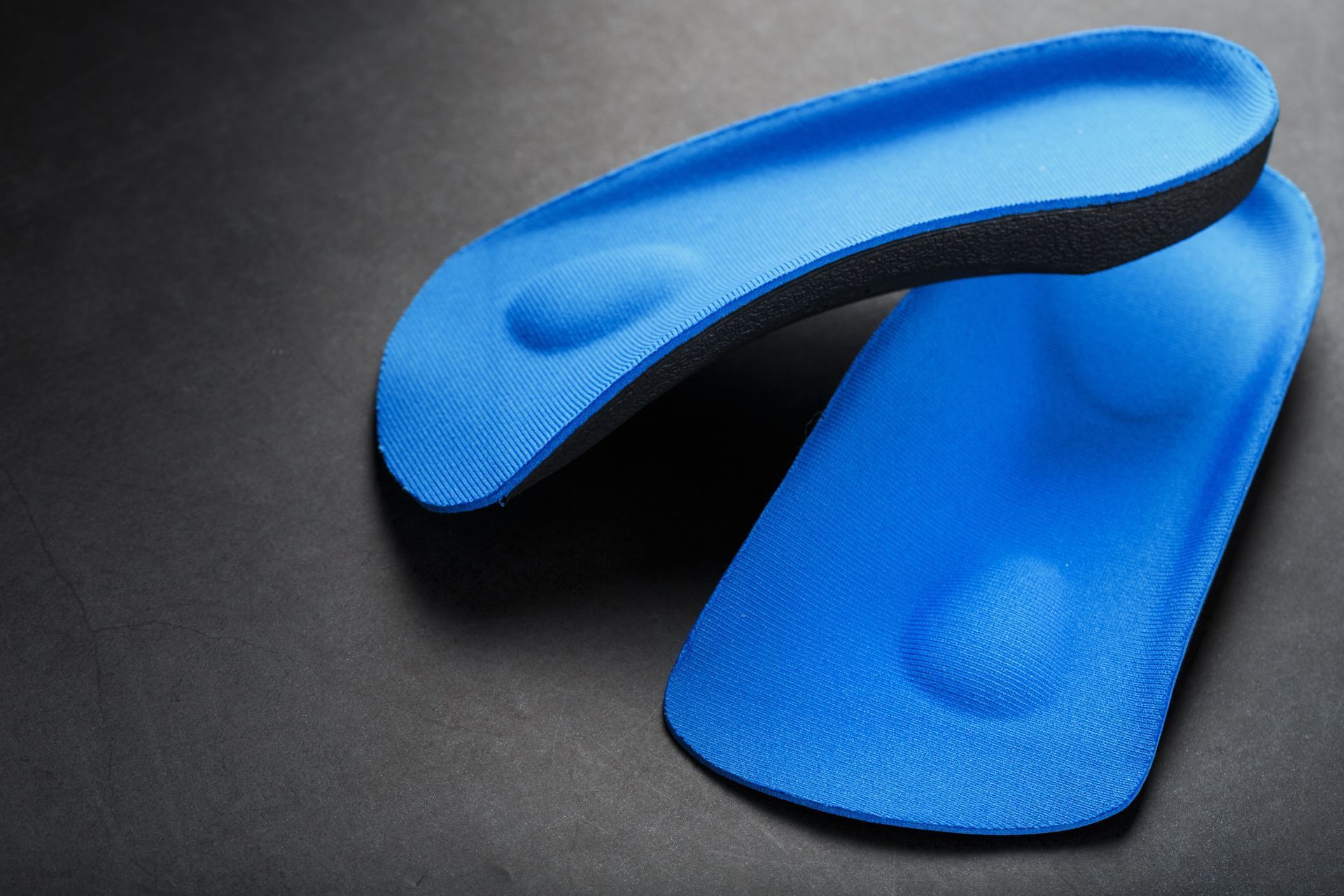
Managing diabetic foot health is a daily commitment, but you do not have to do it alone. Regular clinical assessments ensure that small issues are handled safely before they become life altering complications. Reach out to our clinic today to schedule your comprehensive foot evaluation and update your custom made orthotics.
Share This Blog