
Is It Really Sciatica? Understanding Causes of Radiating Leg Pain
Lower back pain is frustrating enough on its own without it spreading into other parts of your body. Many patients arrive at Don Valley Health and Wellness Centre assuming they have sciatica simply because they experience pain radiating along the sciatic nerve and down their leg. The internet quickly points to a pinched nerve as the culprit for any discomfort travelling below the belt. While this is sometimes the case, accurate diagnosis is rarely that simple.
Assuming you have a nerve issue without a proper assessment can lead to months of ineffective stretching and ongoing frustration. We look at the body as an interconnected system to pinpoint exactly where the dysfunction originates. Treating the site of the pain is useless if the underlying cause remains unaddressed. Finding the real source of your symptoms is the only way to create a tailored treatment plan that provides long-lasting healing.
In this article we cover:
● The Sciatic Nerve: Understanding true nerve compression.
● Common Masqueraders: Conditions that mimic sciatic symptoms.
● The Assessment Process: Why finding the root cause matters.
● Frequently Asked Questions: Quick answers to common concerns.
Causes Of Pain Radiating Along The Sciatic Nerve
The sciatic nerve is the longest and thickest nerve in the human body. It originates in the lower spine and travels deep through the buttocks before branching down each leg. True sciatica occurs when this specific nerve bundle is compressed or irritated at its root. This irritation produces a very distinct sensation that patients often describe as sharp, burning, or electric.
When people ask why lower back pain is shooting down their leg, they usually assume a slipped disc is to blame. Herniated discs are indeed a frequent cause of nerve compression. Age-related changes in the spine can also narrow the nerve pathways and create similar irritation. True sciatic nerve compression typically involves specific neurological signs like numbness, tingling, or noticeable muscle weakness in the affected leg.
Conditions That Mimic Sciatica
The biggest mistake most people make is treating all leg pain as a nerve issue. Several musculoskeletal conditions produce referred pain that feels nearly identical to a pinched nerve. Sacroiliac joint dysfunction is a prime example where stiffness in the pelvis sends deep aches down the back of the thigh. Because the pain pattern looks the same, patients often waste time doing nerve glides when they actually need joint mobilization.
Piriformis syndrome is another common masquerader that fools many people. The piriformis is a small muscle located deep in the buttocks right over the sciatic nerve. When this muscle becomes tight or spasms, it physically presses against the nerve and creates sciatic symptoms. In this scenario the spine is perfectly healthy but the tight muscle needs to be addressed through targeted manual therapy or physiotherapy.
Having access to multiple health treatment professionals under one roof ensures that we can accurately distinguish between a spinal issue and a muscular one. This collaborative expertise allows us to direct you to the right type of care immediately rather than bouncing you between different clinics.
Why A Proper Assessment Changes Everything
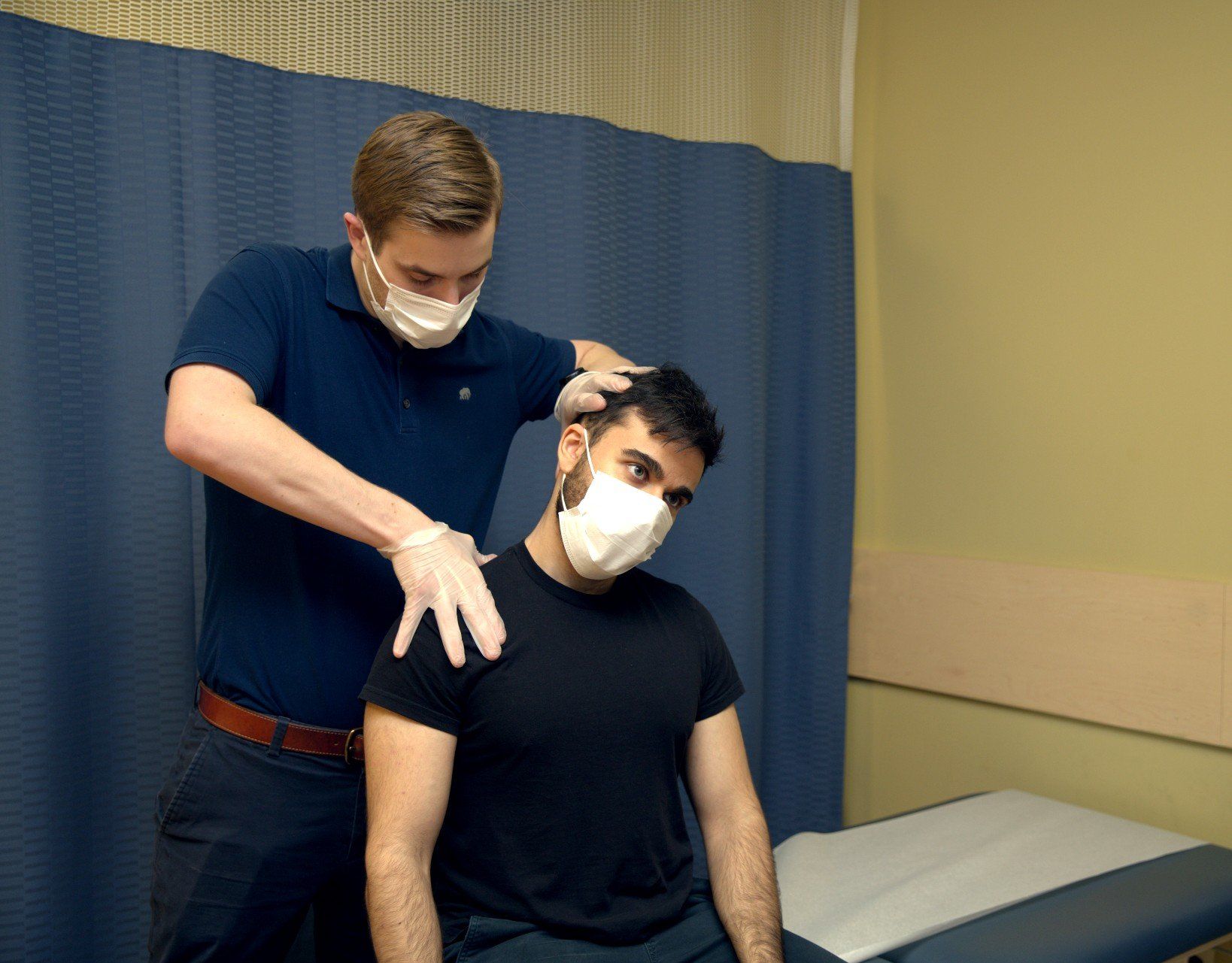
Guessing at the cause of your pain often prolongs your recovery and can sometimes make the irritation worse. A thorough clinical assessment tests your reflexes, muscle strength, and specific movement patterns to isolate the exact tissue causing the problem. Your chiropractor or physiotherapist uses this information to build a treatment plan based on facts rather than assumptions.
If the issue is joint-related, chiropractic adjustments can restore proper mechanics to the pelvis or lower back. If a muscle spasm is the root cause, soft tissue therapy and tailored rehabilitation exercises will release the tension. We focus on providing the exact intervention your body needs to heal safely and efficiently.
Frequently Asked Questions
Should I rest in bed if my leg pain is severe?
Prolonged bed rest is generally not recommended for radiating leg pain. Staying completely inactive can cause your muscles to stiffen and may actually increase the pressure on your lower back. Gentle movement and specific positions advised by a professional are much better for recovery.
How long does nerve irritation take to heal?
Recovery timelines vary significantly depending on the severity of the compression and how quickly you start appropriate treatment. Mild irritation might resolve in a few weeks with proper care and lifestyle adjustments. More severe underlying issues require a longer commitment to a structured rehabilitation program.
Does heat or ice work better for leg pain?
Ice is generally preferred in the first few days of acute pain to reduce inflammation around an irritated nerve or joint. Heat is better suited for relaxing tight muscles that might be contributing to the problem. A professional assessment will determine which option is best for your specific condition.
Finding Your Path To Relief
Living with shooting leg pain drains your energy and keeps you from the activities you love. Getting a precise diagnosis is the crucial first step toward moving comfortably again. Book your assessment today to find out exactly what is causing your pain.
Share This Blog